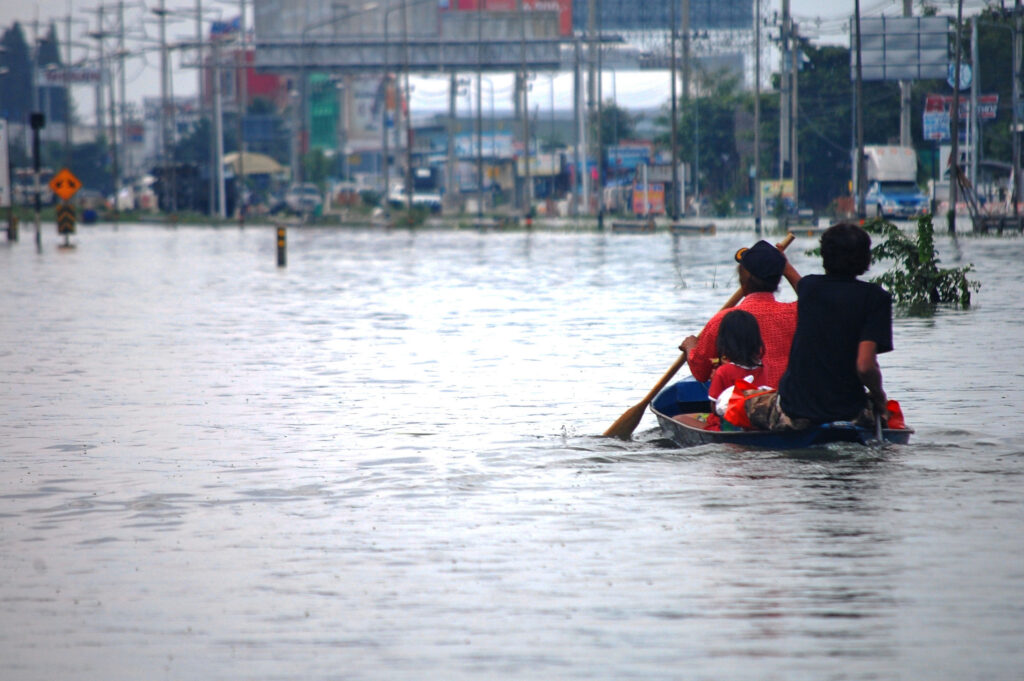
A climate adaptation platform works by ingesting forward-looking climate hazard data, resolving it to specific assets, weighting it against local adaptation capacity, and translating the result into resilience-adjusted risk scores and financial impact metrics an organization can act on. In plain terms: it takes raw output from climate models, maps it to your buildings, suppliers, and infrastructure, accounts for the defenses already in place, and tells you where you’re exposed, what it could cost, and what to do about it. The best platforms add scenario modeling across multiple climate futures, make actionable climate resilience recommendations alongside risk assessment,and reporting that feeds straight into disclosure and capital planning. When you’re choosing one, the features that matter most are asset-level resolution, resilience adjustment, scenario depth, financial translation, and transparent methodology.
The short version: a climate adaptation platform is the engine that turns climate science into business decisions. In this article we explain exactly how these platforms work, what US businesses use it for, and a 2026 buyer’s guide to choosing the right one.
How Do Climate Adaptation Platforms Work? The Technology Behind the Data
Under the hood, a climate adaptation platform runs a pipeline that converts global climate science into asset-specific intelligence. It moves through four stages:
- Data ingestion. The platform pulls hazard projections from climate models – covering perils like flood, heat, wildfire, drought, and storms – alongside contextual data on infrastructure, demographics, economics, and existing adaptation.
- Localization. That data is resolved to specific coordinates. Instead of a county-wide “moderate flood risk,” the platform scores your asset using elevation, drainage, and surrounding conditions. Resolution matters enormously – leading platforms now resolve risk to within tens of meters, and some down to 5–10 meters.
- Resilience adjustment. Raw hazard is weighted against adaptation capacity – flood defenses, drainage, building standards, fiscal and societal resilience. This is what separates a hazard map from genuine adaptation intelligence: two assets with identical exposure can carry very different real-world risk once defenses are accounted for.
- Translation and output. The adjusted risk becomes usable output – resilience-adjusted scores, financial impact metrics, scenario comparisons, and reports.
The technology that makes this possible is geospatial analytics layered with proprietary datasets and, increasingly, machine learning. AlphaGeo’s Climate Risk & Resilience Index is a clear example: it uses a “triple-layer adaptation offset” – local adaptation capacity, societal resilience, and asset-level remediation – to convert a hazard-only baseline into a resilience-adjusted score. That layered approach is the core of how a modern climate adaptation platform actually works.
From Risk Scoring to Scenario Modeling: What a Modern Platform Actually Does
A basic tool stops at a single risk score. A modern platform does far more, because real adaptation decisions require comparing futures, not reading one number.
The full capability set of a modern platform includes:
- Dual risk scoring. Both a hazard-only baseline (physical risk) and a resilience-adjusted score (the likely real-world impact after adaptation), so you can see exactly what protection is worth.
- Multi-peril coverage. Not just flood, but heat, wildfire, drought, hurricane, coastal flooding, and more – scored individually and in combination.
- Scenario modeling. Projections across multiple emissions pathways (such as the SSP scenarios used in climate science) and time horizons – near-term, mid-century, and end-of-century – so you can plan for a range of futures.
- Financial impact analysis. Translation of risk into operating-cost, CapEx, insurance, and valuation impacts.
- Portfolio and screening tools. The ability to rank many assets at once, screen new locations, and compare options.
- Reporting and disclosure. Audit-ready outputs aligned to disclosure frameworks, plus API access to push data into existing systems.
Scenario modeling is the capability that elevates a platform from descriptive to strategic. By testing an asset or portfolio across SSP245, SSP370, and SSP585 pathways and across horizons out to 2100, a platform lets organizations make decisions robust across the futures that might actually unfold – exactly what AlphaGeo’s Index is designed to support.
What U.S. Businesses Are Using Climate Adaptation Platforms For Right Now
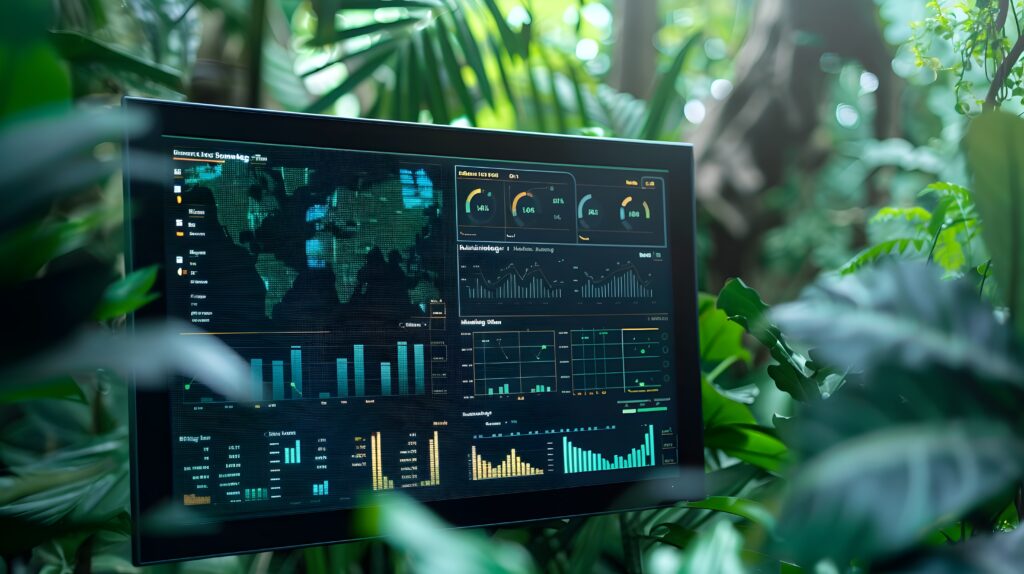
Across the US, adaptation platforms have moved from experimental to operational. The most common live use cases:
- Site selection and acquisition diligence. Screening locations and scoring target assets for climate risk before committing capital – in real estate, infrastructure, and data centers.
- Portfolio risk management. Ranking every asset in a portfolio by resilience-adjusted risk to identify which are dragging on long-term value and rebalancing accordingly.
- Adaptation and CapEx planning. Pinpointing which assets need hardening, redundancy, or relocation, and budgeting the spend where it delivers the most protection.
- Insurance and financing decisions. Quantifying exposure to inform insurance strategy, pricing, and lending – increasingly central as premiums rise and carriers retreat.
- Climate disclosure and reporting. Producing the quantified, asset-level climate-risk data that frameworks like IFRS S2 and state disclosure laws expect.
- Supply-chain resilience. Mapping exposure across suppliers and facilities to protect operations from climate-driven disruption.
The throughline is that these are financial and operational decisions, not academic exercises. Businesses adopt adaptation platforms because climate exposure now shows up in insurance bills, financing terms, and asset values – and a platform turns that exposure into something they can manage. AlphaGeo serves these use cases across real estate, infrastructure, institutional investors, corporates, and the public sector.
Key Features to Look for in a Climate Adaptation Platform (2026 Buyer’s Guide)
When evaluating a climate adaptation platform or climate change adaptation toolkit in 2026, hold every contender to these standards:
- Asset-level resolution. Scoring at the parcel or site level (ideally down to tens of meters or finer), not regional averages. This is the single most important feature – everything else depends on it.
- Resilience adjustment. Both a hazard baseline and a resilience-adjusted score that accounts for local adaptation capacity. A platform that only maps hazard isn’t an adaptation platform.
- Multi-peril, multi-scenario, multi-horizon. Full peril coverage, multiple emissions pathways, and time horizons spanning near-term to end-of-century.
- Financial translation. Outputs in business terms – operating cost, CapEx, insurance, valuation – not just hazard percentiles.
- Transparent methodology. Documented, auditable scoring that survives scrutiny from investment committees, lenders, and regulators. Black-box scores are a disclosure liability.
- Reporting and integration. Disclosure-aligned outputs and API access that fit your existing workflow.
- Coverage and data depth. The geographies, asset classes, and dataset breadth your decisions require.
A practical test: hand the platform a handful of assets you know well and judge the explanation behind each score. The reasoning reveals far more than the number – and it’s where generic tools fall down against purpose-built ones.
How AlphaGeo’s Climate Resilience Platform Delivers Actionable Adaptation Insights
AlphaGeo’s climate resilience platform brings the full pipeline together – and the design choices map directly onto the features that matter.
At its core is the Climate Risk & Resilience Index, which:
- Scores nine hazards – heat stress, drought, inland flooding, coastal flooding, wildfire, hurricane, hail, landslide, and earthquake – each with hazard-specific adaptation data.
- Resolves risk down to 5–10 meters, so scoring is genuinely asset-level rather than regional.
- Models multiple futures across SSP245, SSP370, and SSP585 emissions scenarios and time horizons of 2025, 2035, 2050, and 2100.
- Applies a triple-layer adaptation offset – local adaptation capacity, societal resilience, and asset-level remediation – to convert a hazard-only baseline into a resilience-adjusted score that reflects likely real-world impact.
Around the Index, the platform adds Financial Impact Analytics (translating risk into operating-cost, CapEx, and valuation terms), scenario and portfolio tools, and disclosure-ready reporting.
Together these deliver what an adaptation platform is supposed to: not just a risk score, but a clear answer to where am I exposed, what could it cost, and what should I do? You can try the platform with a free trial.
Conclusion
A climate adaptation platform works by turning the abstract output of global climate models into concrete, asset-level intelligence – localizing hazard data, adjusting for the defenses already in place, modeling multiple futures, and translating it all into the financial and operational terms a business actually uses. When you’re choosing one, look past the dashboard to the fundamentals: asset-level resolution, genuine resilience adjustment, scenario depth, financial translation, and transparent methodology. Get those right, and a climate adaptation platform stops being a reporting tool and becomes what it should be – the engine behind a resilience strategy that holds.
To see how resilience-adjusted, asset-level adaptation intelligence works on your own portfolio, start a free trial or book a demo.
Frequently Asked Questions
Which companies in the United States provide climate change adaptation toolkit solutions for businesses?
A growing field of climate-tech and analytics companies provides climate adaptation toolkit solutions to US businesses, ranging from physical-risk data providers to full adaptation platforms. The meaningful distinction isn’t the vendor list – it’s the capability. A genuine adaptation toolkit (as opposed to a hazard-mapping tool) should score risk at the asset level, adjust for local adaptation capacity, model multiple climate scenarios and horizons, translate exposure into financial terms, and produce disclosure-ready outputs with transparent methodology. AlphaGeo provides this through its Climate Resilience Suite, which includes analytical modules such as the Climate Risk & Resilience Index, Financial Impact Analytics, and its Global Adaptation Layer, combining AI-powered geospatial analytics with a triple-layer adaptation scoring method. When comparing providers, test each on assets you know well and weigh the resolution, resilience adjustment, and transparency of their scoring rather than the marketing.
What are the leading climate adaptation platforms for infrastructure developers in the United States?
For infrastructure developers, the leading platforms are those that pair deep, asset-level physical-risk modeling with the long time horizons and financial analysis that infrastructure decisions require – because these assets operate for decades and must be designed against future, not historical, conditions. The capabilities that matter most for infrastructure are multi-decade scenario modeling (out to 2050 and beyond), full multi-peril coverage, resilience adjustment that accounts for adaptation, and financial outputs like climate-adjusted discount rates and CapEx/OpEx impacts.
AlphaGeo’s Climate Resilience Suite covers all of that, and uses bespoke methodologies across transport, energy, data centers, and other infrastructure asset types. Its Climate Risk & Resilience Index that models risk across SSP scenarios and horizons to 2100. Infrastructure clients include EQT and Khazna Data Centers. Match any platform’s peril coverage, horizon range, and geographic depth to your specific projects before committing.
What climate resilience platforms do ESG teams in the US use for large-scale asset management?
ESG and asset management teams managing large portfolios prioritize platforms that can score thousands of assets consistently, roll exposure up to the portfolio level, and produce disclosure-aligned outputs – because at scale, the job is screening and ranking an entire book, not analyzing one building. The features they look for are portfolio-level scoring and screening, resilience-adjusted risk that distinguishes defensible assets from exposed ones, financial translation for valuation and reporting, and transparent methodology that satisfies investment committees and disclosure frameworks like IFRS S2. AlphaGeo serves this through its Climate Resilience Suite, built for institutional investors including asset managers, pension funds, and sovereign wealth funds, and its Climate Risk & Resilience Index, accessible at scale via AlphaGeo Explorer, API, or Snowflake.
What is the difference between a climate adaptation platform and a climate risk dashboard?
A climate risk dashboard visualizes hazard data – it shows maps and exposure layers. A climate adaptation platform adds the decision layer: it resolves risk to your specific assets, adjusts for adaptation capacity, models multiple scenarios, translates exposure into financial terms, and recommends or supports action. A dashboard tells you where the hazard is; an adaptation platform tells you how exposed you really are, what it could cost, and what to do about it. The resilience-adjustment and financial-translation steps are what separate the two.
How accurate are climate adaptation platforms, and what determines their accuracy?
A platform’s accuracy is determined mainly by three things: the quality and resolution of its underlying geospatial and climate data (finer resolution – down to tens of meters or less – produces more accurate asset-level scores than coarse regional data); whether it adjusts for local adaptation capacity (hazard-only scores systematically misjudge real-world risk by ignoring existing defenses); and the rigor and transparency of its methodology. No platform predicts the future with certainty, which is exactly why credible ones model a range of scenarios rather than a single forecast. When assessing accuracy, scrutinize data resolution, the resilience-adjustment method, and how openly the methodology is documented.
Quick Links:
Climate Resilience Suite
Global Adaptation Layer
Alpha Finder