
Building a resilient future

Solutions: Global Adaptation Layer

The world’s first climate adaptation database.

Most climate models measure what could go wrong. Few measure the adaptations that have already been built to manage it. The Global Adaptation Layer bridges that gap.

The Gap

Two equally exposed locations are rarely equally protected

A property behind a seawall carries fundamentally different risk from one that isn’t. Hazard-only models can’t see that difference — they overstate risk where defenses exist, and miss it where they don’t.

Hazard-only models: 

Measure what could go wrong (flood depth, wind speed, fire probability), but are blind to the defenses already reducing impact. 

+ Global Adaptation Layer:

Measures what’s been built to manage it — the infrastructure, land cover, and buffers that defend a location, turning raw hazard into resilience-adjusted, or adapted, risk.
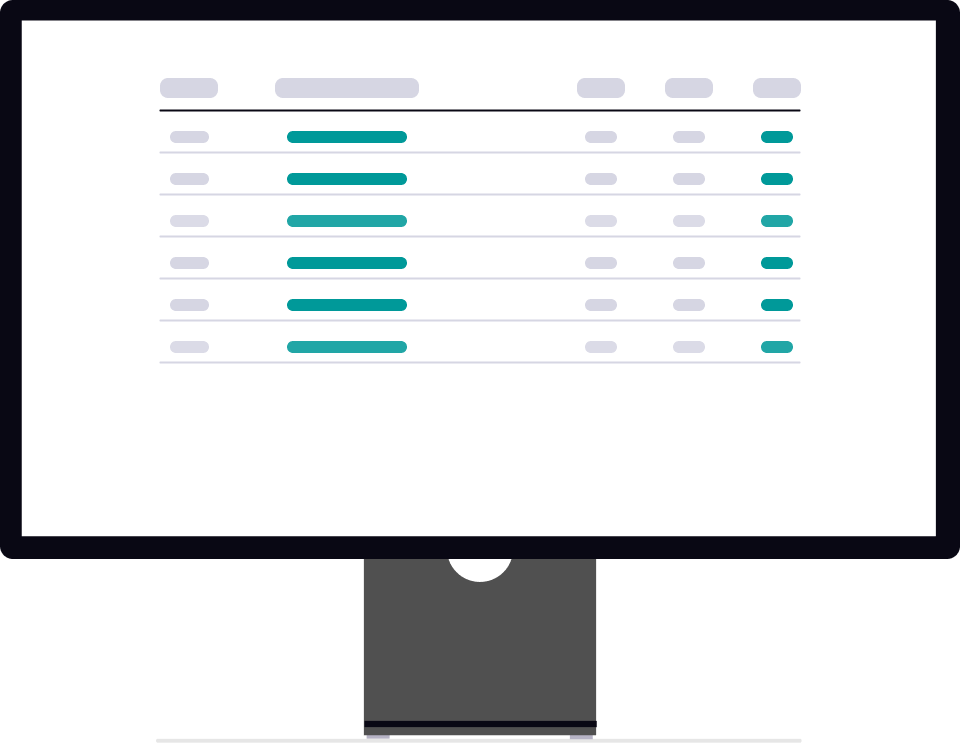
From raw spatial data to multi-hazard adaptation scores

We translate raw geospatial data into hazard-specific adaptation signals — quantifying both the proximity and adequacy of the features that defend a location.

How it Works

01
satellite_alt

Spatial data curation

Global satellite, terrain, and geospatial datasets, curated and harmonized.

02
layers

Group into thematic adaptation feature groups

Raw features (points, lines, polygons) classified into hazard-specific groups — water works, drainage and buffers, coastal defense, fire response.

03
speed

Engineer into multi-hazard adaptation features & scores

A 0–100 adaptation score per hazard, decomposed into its drivers at location, regional, and national levels.

What you get

Multi-hazard adaptation scores

A 0–100 adaptation score per hazard (inland and coastal flood, heat, wildfire, drought, hurricane wind, hail, landslide, earthquake)
Underlying adaptation features

Each score breaks into its drivers (e.g. drainage systems, surface porosity, flood barriers, storage), at location, city, and national levels.

Each adaptation score is built from the real, on-the-ground features that reduce its impact

Hazard Coverage

Heat stress

Building density, urban greenery, and surface context. 

Inland flooding

Surface porosity, drainage systems, barriers, and storage infrastructure.

Coastal flooding

Coastal defences, natural buffers, and drainage capacity.

Hurricane wind

Building strength and nearby protective infrastructure. 

Drought

Water treatment, storage, amenities, and access.

Wildfire

Fire response, fire prevention, and fire detection features.

Hail

Building strength and local protection proxies.

Landslide

Vegetation cover and manmade slope barriers.

Earthquake

Building strength and building sparsity.

Societal Resilience

GNI per capita, Human Development Index, vulnerable population share, gross fixed capital formation.

Built for the first-movers in climate adaptation

Use Cases & Industries

Climate risk modellers

Add the adaptation layer your hazard models are missing; model both defended and undefended risk.

Consultants

Build evidence-based adaptation strategies for clients at scale, grounded in quantified adaptation gaps.

Governments

Map where adaptation exists, where it’s absent, and where investment cuts exposure most.

Adaptation investors

Find whitespace where infrastructure is weakest relative to hazard, and capital reduces risk per dollar most.

Insurers & underwriters

Price risk on what actually protects an asset. 

FAQ

What is the Global Adaptation Layer?

A global, multi-hazard dataset that identifies and quantifies hazard-specific adaptation infrastructure — the drainage, barriers, buffers, water works, and fire response that shape real-world resilience. It shows defended conditions on the ground, not just hazard exposure. 

Hazard data tells you what could go wrong; the Global Adaptation Layer tells you what’s already built to manage it. Combined, they produce resilience-adjusted (defended) risk — more accurate than exposure alone. 

Nine categories — heat, inland flooding, coastal flooding, hurricane wind, drought, wildfire, hail, landslide, and earthquake — plus a societal resilience layer. 

Global coverage at up to 30-metre resolution, with hazard-specific adaptation scores and the underlying feature layers that explain them. 

Updated quarterly. License the full layer or individual hazard-specific databases, delivered via API or Snowflake. 

Adaptation scores are a core input to the Climate Risk & Resilience Index and the Climate GDP Impact Forecast, and they support resilience-adjusted underwriting. 

Add the adaptation layer your models are missing.

Climate hazard data without adaptation data reflects an incomplete reality. See it on your own locations.